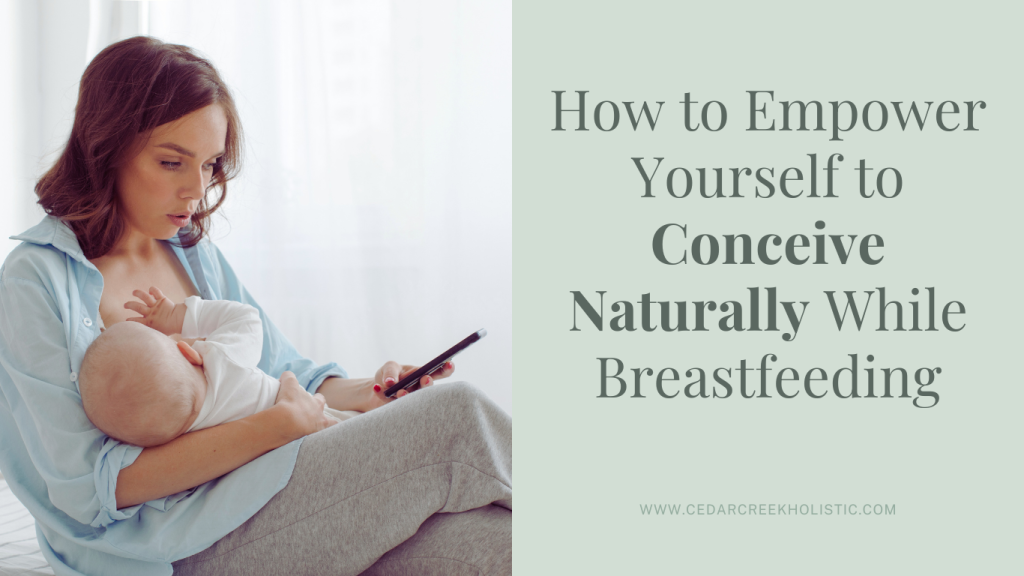
Breastfeeding is a beautiful way to nourish and bond with your baby. However, if you’re considering adding another little one to your family, it’s essential to understand how breastfeeding affects your fertility. Whether you’re ready to conceive again or just starting to plan, here’s what you need to know about trying to conceive while breastfeeding.
Prolactin and Its Impact on Fertility
Prolactin, the hormone responsible for milk production, also suppresses ovulation. High levels of prolactin, especially in the early months of breastfeeding, can prevent your body from releasing the hormones that lead to ovulation. This natural suppression helps space children, ensuring your baby receives the full support they need from you and allowing your body time to heal after birth. However, if you’re ready to conceive again, this can complicate matters.
Lactational Amenorrhea: Nature’s Way of Supporting Mama and Baby
Lactational amenorrhea is nature’s way of preventing another pregnancy from occurring too soon after birth. This allows your baby to receive undivided nourishment and gives your body time to recover. During this period, frequent breastfeeding keeps prolactin levels high, suppressing the hormonal signals that lead to ovulation. As your baby begins to nurse less often, prolactin levels decrease, and your menstrual cycles may attempt to return. Charting your fertility signs can help you identify these changes.
The type of breastfeeding you practice can also influence your fertility. The more frequently you feed directly at the breast—especially at night—the more likely it is that ovulation will be suppressed. Pumping, on the other hand, typically reduces this level of suppression, as the body responds differently to pumping than to suckling.
It’s important to remember that every woman is different. Some may experience an early return of fertility, while others may have suppressed ovulation even with minimal breastfeeding until they wean completely.
Cycle Irregularities Postpartum: What’s Normal?
When your period first returns after giving birth, irregular cycles are common. The first six cycles postpartum can vary widely in length, which is completely normal. Utilizing the Billings Ovulation Method can help you interpret what your body is experiencing. Even with irregular cycles, charting your cervical mucus (and optionally other signs) provides valuable insight into your hormone levels and helps you determine whether ovulation is approaching.
This understanding is crucial as your body transitions back to regular cycles. I highly recommend working with a Billings Ovulation Method teacher to navigate charting while breastfeeding, as it can be challenging and confusing.
Why Fertility Signs Can Be Tricky While Breastfeeding
Fertility signs like cervical mucus, basal body temperature (BBT), and ovulation predictor kits (OPKs) are valuable tools for tracking your cycle, but they can be more challenging to interpret while breastfeeding due to hormonal shifts, particularly high prolactin levels and how they impact estrogen and other hormones needed for ovulation.
- Cervical Mucus: This is one of the most reliable fertility signs. However, while breastfeeding, mucus patterns can be harder to interpret. Women may experience either complete dryness or a continuous discharge, which can be confusing. Additionally, changes in breastfeeding frequency (including due to illness or schedule changes) can impact hormone levels and, consequently, mucus patterns. As fertility returns, hormonal fluctuations can lead to confusing mucus patterns. That’s why it’s essential to work with a trained educator who can help you interpret what you’re observing.
- BBT: Tracking basal body temperature can be less reliable in the postpartum period due to broken sleep, night feedings, and general changes in daily routines. These disruptions can complicate accurate readings. Using Tempdrop can help track your temperature, but be aware that fluctuating hormones while breastfeeding can lead to confusing patterns, possibly showing a rise in temperature without actual ovulation.
- OPKs: Ovulation predictor kits may not work reliably for breastfeeding women because the hormone surges they detect can be blunted by prolactin. Additionally, if OPKs are your sole method of tracking fertility, they can become costly, especially if you’re not timing tests when observing fertile-type mucus.
Subfertility in the First Year After Fertility Returns
Even after your period returns, you may experience subfertility in the first year due to hormonal imbalances. Many women experience lower-than-ideal progesterone levels and shorter luteal phases (the time between ovulation and the start of your next period), making conception more difficult. Low progesterone can affect implantation, while a short luteal phase may prevent a pregnancy from implanting. However, with time and proper support, your cycles can normalize.
Supporting Your Cycles to Aid Conception
Once your cycles return, there are steps you can take to support regular ovulation and improve your chances of conceiving:
- Nourish Your Body: Focus on a nutrient-dense diet rich in healthy fats, protein, and complex carbohydrates to support hormone production.
- Track Your Cycles: Using the Billings Ovulation Method can help you monitor cervical mucus, which is the most reliable fertility sign while breastfeeding. You can learn more about Billings here.
- Support Progesterone Levels: Incorporate vitamin B6 (P5P) and magnesium into your diet to help support progesterone production and extend your luteal phase. I highly recommended reading It Starts with the Egg by Rebecca Fett for more information on supporting fertility and egg health.
- Reduce Stress: Hormonal balance is delicate, and stress can disrupt ovulation. Prioritize self-care, rest, and activities that help you unwind. Don’t hesitate to ask for help if you need rest and aren’t getting it!
What to Do If Your Periods Haven’t Returned
If you’ve been breastfeeding and your period hasn’t returned but you’re ready to conceive, consider these strategies to encourage the return of your cycles:
- Gradually Reduce Breastfeeding Frequency: Start spacing out feedings or introduce a bottle for some feedings to lower prolactin levels and signal your body to resume ovulation. If you want to reduce breastfeeding and your baby is less than 12 months of age, be sure to replace breastfeeding sessions with pumped milk or formula bottles.
- Wean at Night: Nighttime breastfeeding keeps prolactin levels elevated, so reducing or eliminating night feeds may encourage your cycles to return.
- Monitor for Fertility Signs: Even without a period, you might notice signs that your body is preparing for ovulation, such as changes in cervical mucus.
- Consult with a Fertility Awareness Educator: If your cycles haven’t returned and you want to conceive, professional support can help create a personalized plan to promote fertility while ensuring your baby stays nourished.
Be Patient with Your Body
It’s natural to feel eager to welcome another baby, but every woman’s body is different. Some women conceive easily while breastfeeding, while others may need more time. Trust your body’s pace and prioritize self-care with nourishing food, rest, and patience during this season.
If you want to wean completely, it is essential that you do this gradually rather than stopping cold-turkey to avoid pain, engorgement, and mastitis. See a lactation consultant if you need support in weaning.
If you’d like to better understand your postpartum fertility and learn how to navigate this journey confidently, please reach out to me. I’m here to help you navigate this unique time with confidence.

Comments